 Skip to main content
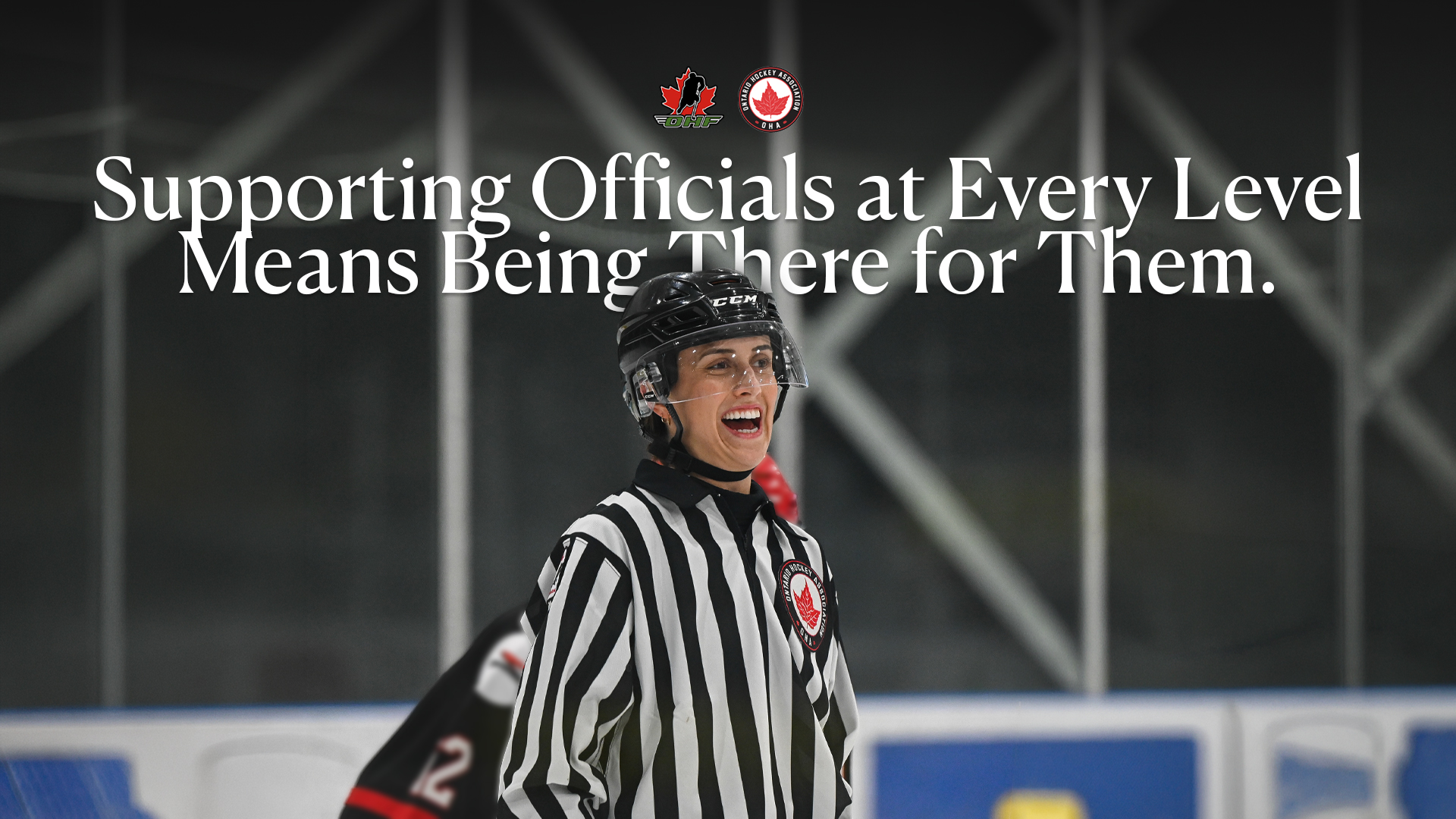
Behind the Stripes: Supporting Officials at Every Level
Date: Oct, 08, 2026 01:00 PM EDT
Officials need opportunities to develop, just as players do. Coaching, encouragement and respect all play a part in helping someone build confidence, advance to another level or continue contributing at their local rink.
For Greg Devorski, Director of Officiating at the Ontario Hockey Association (OHA) and a former NHL referee with 1,986 NHL games, supporting officials brings together lessons from his own career and a responsibility shared by the hockey community.
His experience spans the local rinks where he first put on the stripes, the professional game and his current work supporting officials at the OHA. Across those settings, his interview returns to the importance of guidance, opportunity and respect.
A Foundation Built on Mentorship
Devorski began officiating in Guelph in 1985 at age 15, while still playing AAA hockey. What started as a way to earn extra money became a way to stay connected to the sport as his playing days came to an end.
His first game was at the Victoria Road Recreation Centre in Guelph, alongside NHL official Ron Asselstine. Years later, the two would work together in the NHL.
His father Bill, brother Paul and members of the Guelph Hockey Referees Association helped shape that journey. Experienced officials provided guidance as he progressed through different levels of hockey, offering a foundation he could carry into new opportunities.
“Aside from my father and brother Paul, I had many mentors along the way starting in minor hockey all the way through to the NHL.”
His father also supervised him during his years in the OHA, providing advice on handling situations and setting an example through his relationships with players, coaches, team management and fans.
“He was big on respect. Giving and receiving. He believed in good game management.”
Today, Devorski’s work at the OHA includes recruiting, teaching and developing officials. That experience connects his own beginnings with the opportunities he now helps create for others.
“Teaching and coaching them, helping them progress and advance to higher levels of hockey. Helping open doors to new possibilities and opportunities.”
Giving Officials Room to Develop
Greg also raises a challenge that reaches beyond training: the expectations placed on officials and the environment in which they learn.
“Officials rarely get a pat on the back for doing a good job. That’s because it's expected from them each and every game. They’re expected to not make mistakes. But the reality is, they do make mistakes and that will never change.”
Devorski identifies verbal and mental abuse as reasons young officials leave early in their careers. His comments place coaching and mentorship alongside the need for a supportive experience at the rink, where officials can develop without every mistake becoming a reason to question their place in the game.
“Developing young officials takes time and proper coaching and mentoring.”
Greg identified both the physical and mental demands of officiating. Skating, fitness and preparation are part of the role, alongside communication, listening and building relationships with players and coaches.
Support also involves more than supervisors and fellow officials. Players, coaches and parents influence the experience of someone stepping onto the ice, particularly during their first season.
“Players, coaches, and parents need to realize the development of officials is just as important as the development of the players. Patience, understanding and good sportsmanship needs to be shared and displayed amongst all participants.”
That responsibility continues when a game becomes competitive or emotions rise. Those moments are part of the setting in which officials work—and where patience and sportsmanship matter.
“Hockey is a competitive game and becomes emotional at times. We have to remember, it is a GAME and hopefully, cooler heads prevail.”
A Place in the Game
Officiating offers another path to participate in hockey, whether someone hopes to advance or contribute within their community. Devorski considers both those opportunities and the preparation needed to pursue them, including skating ability and knowledge of the rules.
It also addresses who can take that first step. While playing experience can be helpful, his comments make room for people whose interest in officiating begins without a playing background.
“However there are opportunities for individuals who have never played the sport but have an interest.”
Across every level, there is a shared responsibility: helping officials develop, creating opportunities for them to continue and respecting the contribution they make each time they step onto the ice.
“They are a key part of the game, providing safety and fairness for all.”